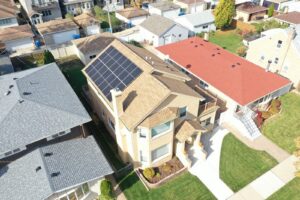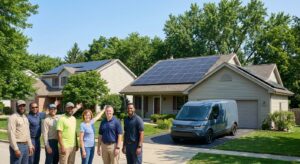
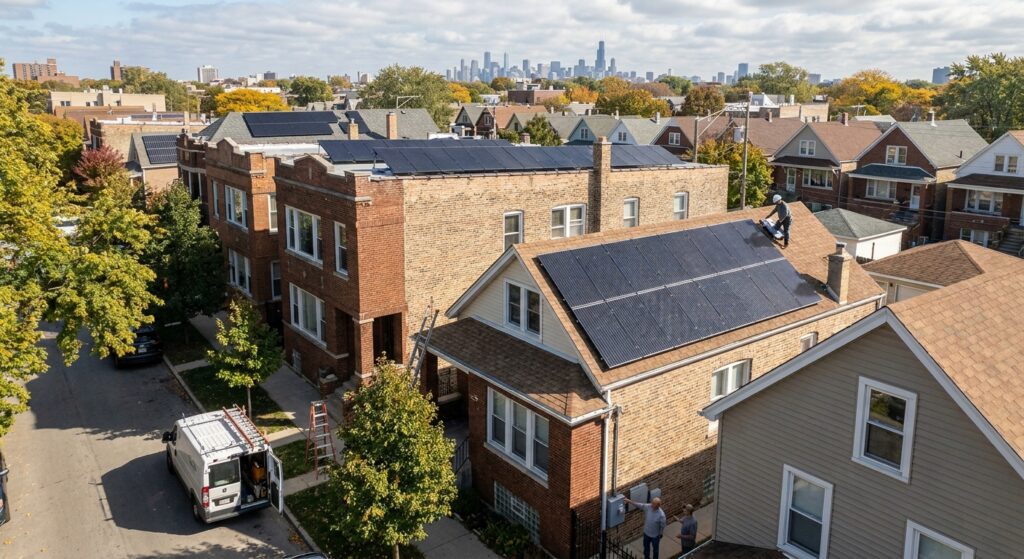
If you’ve searched “chicago solar panels” more than once this year, you’re probably not looking for another sales pitch; you’re trying to figure out if this actually pencils out for a house in a city known for gray skies and brutal winters. Fair question. We’ve installed over 1,200 residential systems across Illinois since 2009, and the honest answer is: it depends on your roof, your utility, and, more than anything, who you hire.
This guide breaks down what Chicago’s climate actually does to solar output, what a system really costs in 2026, how the Illinois Shines program works (and where marketing claims cross the line), and how to spot a bad installer before you sign a 25-year contract.
Summary
- Chicago gets less sun than Phoenix, but modern panels are efficient enough that most homes still see a strong return, cloud cover reduces output far less than people assume.
- Typical Chicago residential systems have generally landed in the range of $18,000 to $30,000 before incentives, depending on system size and roof complexity. That is a budgeting starting point drawn from market conditions, not a quote.
- Illinois Shines REC payments are what move the number for a homeowner now. The federal residential credit does not apply to a system placed in service in 2026, and “free solar” claims are almost always overstated.
- ComEd and Ameren have different net metering and rebate structures, so your territory changes your payback timeline.
- Most solar regret comes from bad installers, not bad panels, vetting the company matters more than vetting the technology.
Quick Answer: Is Solar Worth It in Chicago Right Now?
For most homeowners with a south- or west-facing roof and a decent electric bill, yes, solar in Chicago still makes financial sense in 2026. What changed is where the value comes from. The federal residential clean energy credit under Section 25D applied to systems placed in service through December 31, 2025 and does not apply to systems placed in service in 2026, so a system you buy outright no longer carries a federal credit. What carries the math now is Illinois Shines, net metering, and rising ComEd and Ameren rates that make every kilowatt-hour you generate yourself more valuable. Because the state side has to do more of the work, roof quality and your actual usage matter more than they did last year. Check with your tax advisor. We do not give tax advice.
That said, “worth it” isn’t universal. If your roof is heavily shaded, your electric bill is already low, or you’re planning to move in two years, the numbers get shakier. We walk every homeowner through their specific roof, usage, and utility rate before recommending anything, because a system that’s a slam dunk for your neighbor might be mediocre for you.
How Chicago’s Weather Actually Affects Solar Panel Performance
Here’s the thing most people get wrong: Chicago doesn’t need to be sunny like Arizona for solar to work. Panels generate electricity from daylight, not heat, extreme heat actually reduces panel efficiency slightly. Cold, clear winter days can be some of the most productive of the year.
Cloudy Days, Cold Winters, and Lake-Effect Snow
According to solar resource maps from the National Renewable Energy Laboratory, Chicago receives roughly 4.5 to 5 peak sun hours per day on average, noticeably less than the Southwest, but comparable to Germany, which has one of the largest residential solar markets in the world. Snow does temporarily cover panels, but Chicago’s steep-angle roof installs and the panels’ own slight warmth typically shed snow faster than most people expect. The bigger production hit actually comes from short winter days, not snow itself.
Lake-effect cloud cover along the lakefront can shave a few percentage points off annual output compared to far western suburbs, but it’s not the production-killer people assume. Well-designed systems account for this at the sizing stage, not after installation.
Roof Orientation and Shading in Chicago Neighborhoods
Orientation matters more than weather in most Chicago cases. A south-facing roof with no obstructions will outperform a north-facing roof by a wide margin, and mature trees in neighborhoods like Oak Park or Beverly can create shading issues that a satellite estimate won’t catch. This is exactly why online solar calculators, which we’ve written about in detail in our piece on whether solar calculators are accurate, tend to overpromise; they can’t see your specific chimney, dormer, or the neighbor’s oak tree.
The Real Cost of Solar Panels in Chicago (2026 Pricing Breakdown)
Pricing has stabilized over the past couple of years after the volatility caused by tariffs and supply chain issues. For a typical Chicago-area home, expect a gross cost (before any incentives) between $18,000 and $28,000, depending on system size, roof complexity, and equipment tier.
Most Cook County homes need a 6 to 9 kW system to offset a typical electric bill, and pricing has generally run in the range of $3.00 to $3.75 per watt installed. That puts a 7 kW system around $21,000 to $26,000 before incentives. We go deeper on how these numbers break down, equipment, labor, permitting, and margin, in our solar cost breakdown, which still holds up as a useful framework even as exact prices shift year to year. Battery storage is an increasingly common add-on too, especially for homeowners thinking about outage protection or maximizing self-consumption under newer net metering rules.
Illinois Solar Incentives, Rebates, and the Illinois Shines Program Explained
Illinois Shines, run by the Illinois Power Agency, is the state’s main solar incentive program, and it works differently than most people assume. It’s not a rebate check; it’s a program where the renewable energy credits (RECs) your system generates get sold, and that revenue is used to lower your upfront cost. You can read the program’s own explanation directly on the Illinois Shines official site.
Here’s the important nuance: because your installer sells those RECs to make the program work, you generally can’t claim your home is “running on clean energy” the way some ads imply, the environmental attribute of that electricity has technically been sold. It’s still solar power generated on your roof, and it still lowers your bill, but the marketing language matters. We break down what Illinois homeowners can actually claim in 2026 in our Illinois solar incentives post.
What “Free Solar” Offers Actually Mean (and When They’re a Red Flag)
“Get solar for free” is one of the most misused phrases in this industry, and it’s specifically restricted under Illinois Shines marketing rules unless the customer genuinely pays nothing out of pocket. In almost every real-world case, “free solar” actually means a loan, a lease, or a power purchase agreement; you’re paying someone, just not with cash up front. That’s not necessarily bad, but it’s not free, and any installer who leads with that phrase without immediately explaining the financing structure is worth a second look.
ComEd vs. Ameren: Does Your Utility Territory Change the Math?
Yes, and this trips up a lot of homeowners who compare notes with a friend in the wrong territory. ComEd serves most of the Chicago metro, while Ameren covers downstate and parts of the western suburbs. Net metering credit structures, interconnection timelines, and utility rebate amounts differ between the two, which means two identical roofs in different territories can have meaningfully different paybacks. Our post on understanding ComEd net metering walks through how credits are calculated for ComEd customers specifically, and it’s worth reading before you assume a quote from a downstate friend applies to your Chicago house.
What Decides How Fast Solar Pays for Itself in Chicago
Payback is not one number, and anyone quoting you a single figure before seeing your bills is guessing. Four things move it: what the system costs to install on your particular roof, which utility territory you are in, how much of the Illinois Shines value your project actually captures, and what you currently pay per kilowatt hour. We work those against your real usage rather than a generic industry average. What is true of every system is that the panels keep producing long after they have paid for themselves. They are typically warrantied for 25 years and often keep going well beyond that.
The variables that move this number most are: how accurate your original production estimate was, whether you financed or paid cash, and whether your installer optimized the system size for your actual usage rather than just maxing out your roof space. This is why we spend time upfront getting the sizing right, a system that’s oversized for your usage doesn’t pay back faster, it just costs more.
Why Some Chicago Homeowners Regret Their Solar Panels, and How to Avoid It
Solar regret is real, but it’s rarely about the panels themselves. It’s almost always about the installation experience or the sales pitch that set expectations too high. Common complaints we hear from homeowners who signed with other companies: production estimates that never materialized, roof leaks from careless mounting, sluggish response times when something needs service, and financing terms that weren’t fully explained.
The Most Common Installer Mistakes and Red Flags
- Overpromising production. If a sales rep guarantees a specific dollar savings without a signed contract backing it, that’s a compliance red flag under Illinois Shines rules, and a sign they’re more focused on closing than accuracy.
- Undersized or oversized systems. Sizing should match your actual usage data, not just fill your roof or hit a sales quota.
- Roof penetration shortcuts. Poor flashing or rushed mounting work is the number one cause of leak complaints, ask specifically how your roof type will be handled.
- Disappearing after installation. Some installers, especially newer national players, don’t stick around for warranty service. When a company folds, homeowners can be left without support for decades-long warranties.
- Vague financing terms. “No money down” offers sometimes bury high interest rates or dealer fees in the fine print.
How to Vet a Solar Installer in Chicago Before You Sign Anything
Treat this like hiring a contractor for a 25-year investment, because that’s exactly what it is. Look for how long the company has actually operated in Illinois (not just nationally), whether they carry their own installation crews or subcontract everything, and how they handle production shortfalls if your system underperforms.
Questions to Ask Every Chicago Solar Company
- How many systems have you installed specifically in Cook County or my utility territory?
- Who performs the actual installation, your crew or a subcontractor?
- What happens if my system underperforms the estimate?
- How do you handle roof warranty conflicts if my roof needs work later?
- Are you a registered Approved Vendor under Illinois Shines?
- What’s your average response time for service requests after installation?
For a step-by-step walkthrough of getting an accurate estimate before you commit, our guide on getting your solar estimate right covers the five factors most quotes get wrong.
Why Local Track Record Matters More Than National Ads
National solar companies spend heavily on advertising, but advertising budget doesn’t tell you how a company handles a Chicago winter install, a historic-district roof, or a warranty claim five years down the line. Local track record does. We’ve been installing systems in ComEd and Ameren territories since 2009, through polar vortexes, hailstorms, and everything in between, and we’re still the ones showing up when a customer calls about a service issue a decade later.
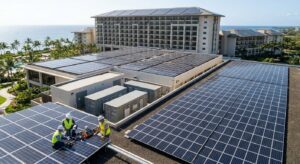
That consistency is also why we work on commercial projects for institutions like Heartland Community College and clients like a Chicago brewery, the same crews, the same design standards, whether it’s a 216 kW rooftop array or a single-family home in Logan Square. According to the U.S. Department of Energy, panel technology itself has become fairly standardized across reputable manufacturers, which means the installer’s workmanship, not the brand sticker on the panel, is usually what separates a great system from a problematic one.
Frequently Asked Questions
Are solar panels worth it in Chicago?
For most homeowners with decent roof exposure and a normal-to-high electric bill, yes, though the case now rests on Illinois Shines and utility rates rather than a federal credit, which no longer applies to a system placed in service in 2026. Those rate increases are not hypothetical. According to U.S. Energy Information Administration data, the average Illinois electricity price rose from 12.5 cents per kilowatt hour in 2015 to roughly 17.7 cents in 2025, an increase of about 42 percent in a decade, with roughly 36 percent of that arriving in the last five years alone. ComEd’s supply price rose again in June 2025 following a sharp jump in PJM capacity costs. Heavily shaded roofs or very low electric bills change that math, and the only way to know your own number is a site specific assessment.
Why are people getting rid of their solar panels?
It’s rarely the technology itself; panels routinely last 25+ years. Most removals stem from a bad installation (leaks, poor mounting), an installer that went out of business and left no service support, or a homeowner selling a house and not understanding how to transfer the system’s financing or warranty.
Can you really get solar panels for free in Illinois?
Only if you genuinely pay nothing, which is rare. Most “free solar” offers are actually loans, leases, or power purchase agreements where you pay over time instead of upfront. Illinois Shines marketing rules specifically restrict “free solar” language unless the system is truly no-cost to the customer.
What is the 33% rule in solar panels?
This generally refers to guidance that a solar system shouldn’t be sized to produce more than roughly 33% above your average annual usage under certain net metering and interconnection rules, to avoid oversizing penalties or interconnection complications. Your installer should confirm the specific rule that applies to your utility territory.
How much does a typical Chicago solar system cost in 2026?
Most residential systems have run in the range of $18,000 to $30,000 before incentives, depending on system size and roof complexity. Our cost by system size breakdown shows where a given system lands within that range. Your actual number requires a site-specific assessment, and what comes off that gross price now depends on Illinois Shines rather than a federal residential credit.
Does snow ruin solar panel performance in Chicago?
No. Snow temporarily reduces output while it sits on panels, but steep roof angles and panel warmth typically clear snow faster than expected. The bigger seasonal factor is shorter winter daylight hours, not snow accumulation itself.
If you’re weighing a chicago solar panels quote right now, the technology isn’t the risk; the installer is. Get a site-specific assessment, ask the questions above, and compare local track record over national ad spend. If you’d like a straightforward, no-pressure estimate based on your actual roof and usage, Windfree Solar has been doing this in ComEd and Ameren territories since 2009, and we’re happy to walk you through the real numbers before you sign anything.