
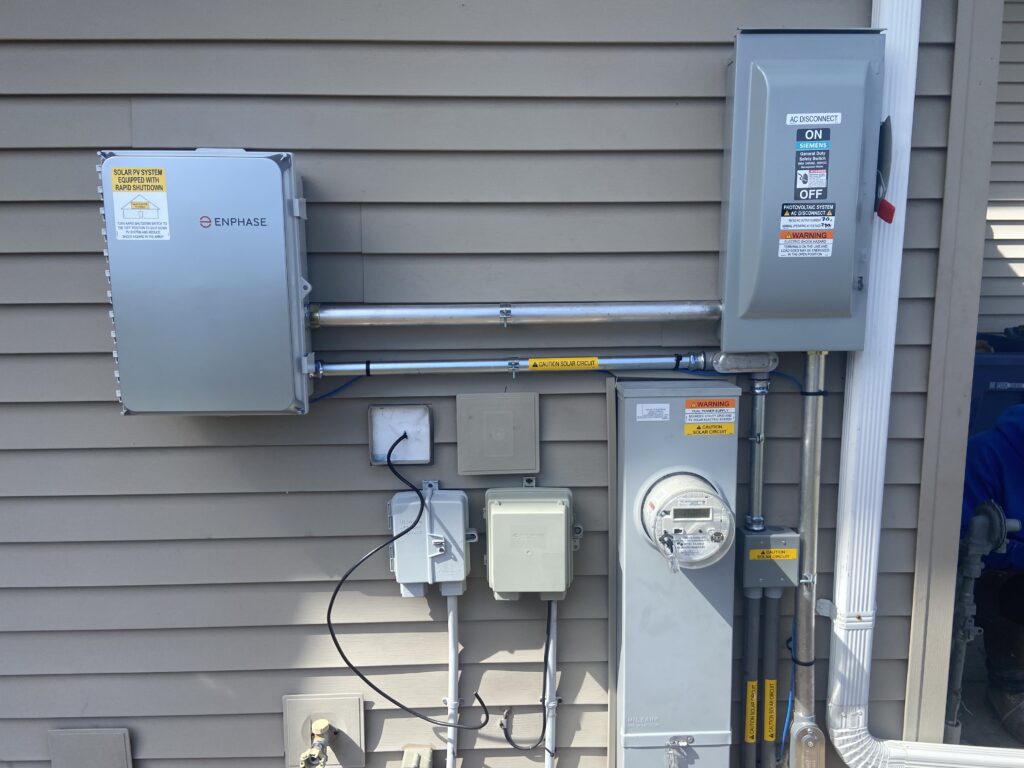
More Illinois homeowners are asking the same question this year: can I upgrade my system by adding battery storage?The short answer is usually yes. The better answer depends on your home, your existing equipment, and what you want the battery to do.
At Windfree Solar, we are seeing a steady rise in retrofit battery requests. Many are homeowners who went solar years ago, sometimes with another company, and are now ready to add storage. This guide walks through how battery storage works, what to think about before you retrofit, and a few details that can affect your incentives.

What adding battery storage to your solar panels actually does
A home battery stores energy so you can use it later. That unlocks a few things:
– Backup power during outages
– More energy independence
– Better use of the solar energy your panels already produce
– Participation in utility programs like Virtual Power Plants (VPP), where available
– A foundation for an electric vehicle or a more electrified home down the road
Unlike solar panels, which are fairly standardized, batteries are highly customized to your home. Two houses on the same street can need very different battery setups.
One thing that surprises a lot of homeowners
Your battery is designed to charge from your solar array, not from the grid. It stores the clean energy your panels produce during the day so you can draw on it later. This is central to how a solar-plus-storage system is designed, and it is one reason the right battery depends so much on the solar system you already have.
The batteries we install
Windfree Solar currently installs these battery systems:
If you are not sure which is right for you, that is normal. For retrofit battery systems—adding storage to an existing solar setup—the configuration of your current system heavily influences what equipment can be used or what extra components may be needed to make it all work. Part of the consultation is matching the right battery to your existing inverter, electrical panel, and backup goals. In some cases, we may recommend a different approach than you first had in mind, or let you know that storage may not be the best investment for your home right now—we would rather tell you that up front.
Whole-home backup vs. critical loads
Our standard design is whole-home backup whenever it is feasible. That gives you the most flexibility, letting the system intelligently support your home during an outage without a separate critical-loads panel. Depending on your electrical demand, energy usage, and the battery you choose, some high-energy appliances may still need to be managed during a long outage.
A few details that can affect your incentives
When adding battery storage, reviewing utility incentive rules ensures you keep optimal rates.
This is where a short conversation saves headaches later. A few things worth knowing:
– Certain storage rebates from ComEd or your utility can affect your current buyback rate.
– If existing equipment needs to be swapped out, that can also change your buyback rate.
– Some incentives may move you onto an hourly pricing plan, which changes how you pay for and earn from energy.
None of these are reasons to avoid a battery. They are reasons to look at the full picture before you decide, so there are no surprises later. The specifics vary by home and are confirmed during your consultation.
What About Commercial Solar & Storage?
If you own or manage a commercial property in Illinois with existing solar, adding battery storage works on similar principles—but system sizing, utility rate structures (such as demand charge management), and incentive frameworks differ significantly.
Windfree Solar engineers custom commercial battery retrofits tailored to your facility’s specific power requirements and peak demand patterns. Contact our commercial team today to evaluate a storage retrofit for your business.
When you submit a battery storage consultation request, our team reviews:
- How a battery would work with your existing equipment
- Whether any electrical upgrades or additional engineering are required
- Available incentives or utility programs
- The best battery solution for your home, daily energy needs, and backup goals
If we need anything else before preparing a proposal, a member of our team will reach out.
Ready to explore battery storage?
The best next step is a battery storage consultation. It takes about 30 to 45 minutes and helps our team recommend the right solution for your home. [CONSULTATION FORM LINK]
Whether you are thinking about adding storage to an existing system or starting fresh with solar and a battery together, we are happy to help you figure out the smartest move for your home.
Quick answers
Can I add a battery to my existing solar system?
Often, yes. It depends on your current inverter, electrical panel, and goals, which we review during your consultation.
Will a battery power my whole house?
Our standard design aims for whole-home backup when feasible. Depending on your energy usage and system sizing, some large appliances may need to be managed during a long outage.
Does the battery charge from the grid?
No. It is designed to charge from your solar array.
Will a battery affect my solar buyback rate?
It can, depending on the incentives and rebates you take. We walk through this with you before you commit.